



Kunka Hunting Dragon (with action 3D model)
It is a dinosaur that lived during the Cretaceous period and belongs to the theropod suborder. Its fossils were first discovered in Brazil. This dinosaur is known for its unique head features, with a prominent depression in the middle of its head resembling a "V" shape, which may have been adapted to its hunting habits. Medium sized, it is a carnivorous dinosaur that feeds on other small animals. Short forelimbs and well-developed hind limbs, suitable for fast running. The discovery of this dinosaur provides valuable information for our understanding of the Cretaceous ecosystem.

Concavenator corcovatus
There is only one species in the genus Kunka, the hunchbacked Kunka. The fossil of the Kunca hunting dragon was discovered in the Laggonian Formation of Spain, dating back to the Barremian period of the Early Cretaceous. Kunka Hunting Dragon is a small shark toothed dinosaur with a body length of only about 5 meters. Compared with other shark toothed dinosaurs, the most prominent feature of the Kunkarasaurus is the towering neural spines on the two dorsal vertebrae adjacent to the sacrum. Paleontologists speculate that the two dorsal vertebral nerve spines of Kunkalisaurus may have developed muscles attached to them, forming a structure resembling a fleshy mound, which is likely to have display functions..

Popular Models

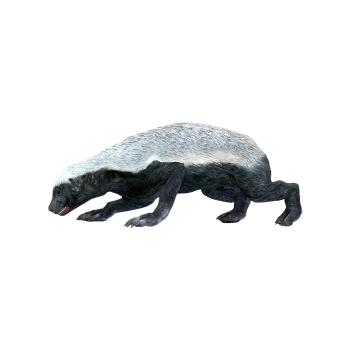
Honey Badger (3D animated model)
192 View
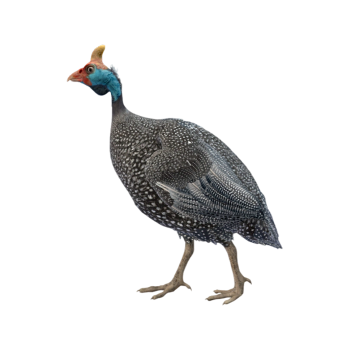
Guinea fowl (3D animated model)
163 View
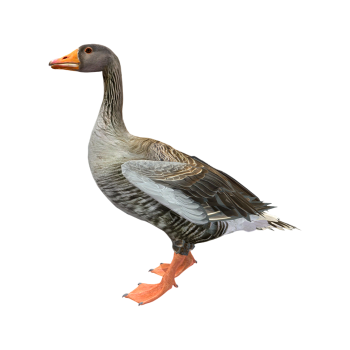
Wild Goose (3D animated model)
185 View
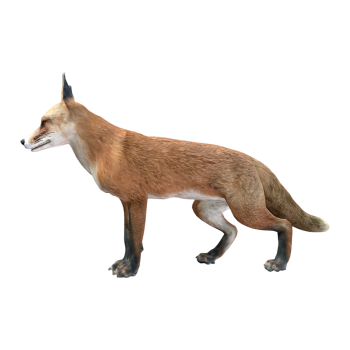
Red Fox (3D animated model)
153 View
Random Model




Sony MDR-ZX660 Blue Edition
940 View

Chimu Painted Double Body Container
1020 View


Christmas spherical ornament
947 View